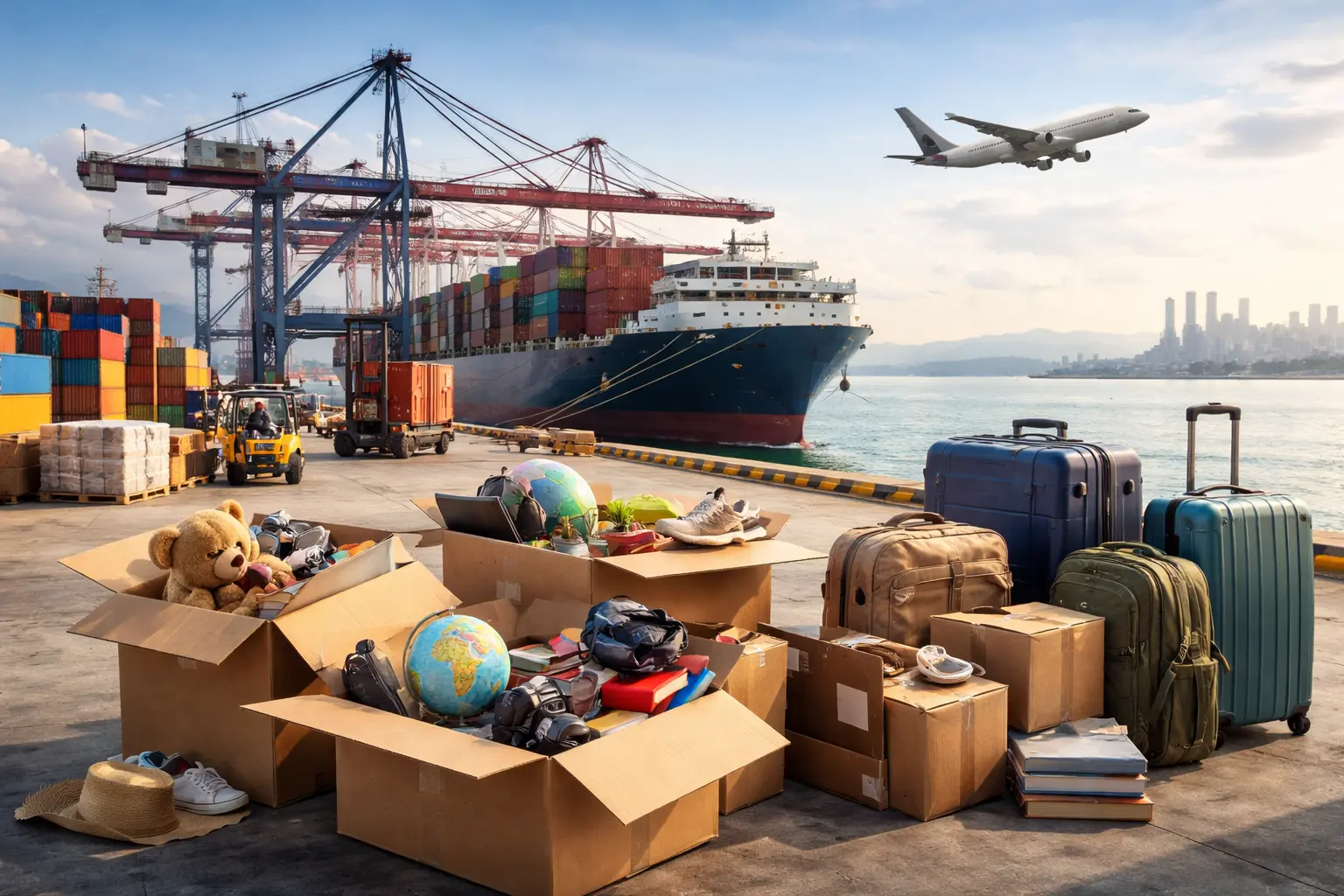
Overseas shipping rules determine what personal belongings you can legally send across international borders and what stays behind.
Most items like clothing, books, and electronics can be shipped without issues. But dangerous goods, weapons, perishable items, and restricted products are either prohibited or require special permits.
What does this mean for you? Well, some belongings clear customs without drama, while others get stopped, returned, or result in fines. So, to avoid the unexpected delays, you need to understand the overseas shipping rules.
In this blog, you’ll learn what ships easily, what’s banned outright, and how paperwork and dangerous goods rules affect getting your belongings delivered. Let’s keep your shipment moving.
What Are the Basic Overseas Shipping Rules You Need to Know?
Australian law and your destination country both have set restrictions on what you can ship internationally. When you understand how these rules work together, you avoid delays, rejected parcels, and fines.
So let’s break down what both sides require.
Australian Law Controls Export Standards
Australia’s export regulations stop illegal goods from leaving the country, protect restricted animals, and prevent safety hazards during air transport. Border Force monitors outbound freight to enforce these standards before shipments leave.
If you violate export laws, you’ll be looking at hefty fines, seized shipments, or criminal charges for serious breaches.
Destination Countries Set Their Own Import Rules
Your receiving country creates its own prohibited lists based on local laws and priorities. Something perfectly legal here can land you in trouble overseas.
For example, take food products heading to New Zealand. They face strict biosecurity rules that don’t apply elsewhere, so shipments often get delayed or rejected unexpectedly. Which is why we recommend you research your destination’s customs rules before packing to dodge these surprises.
Remember, both sides of the border control what moves through, so check both sets of rules upfront.
Personal Effects You Can Ship Without Problems
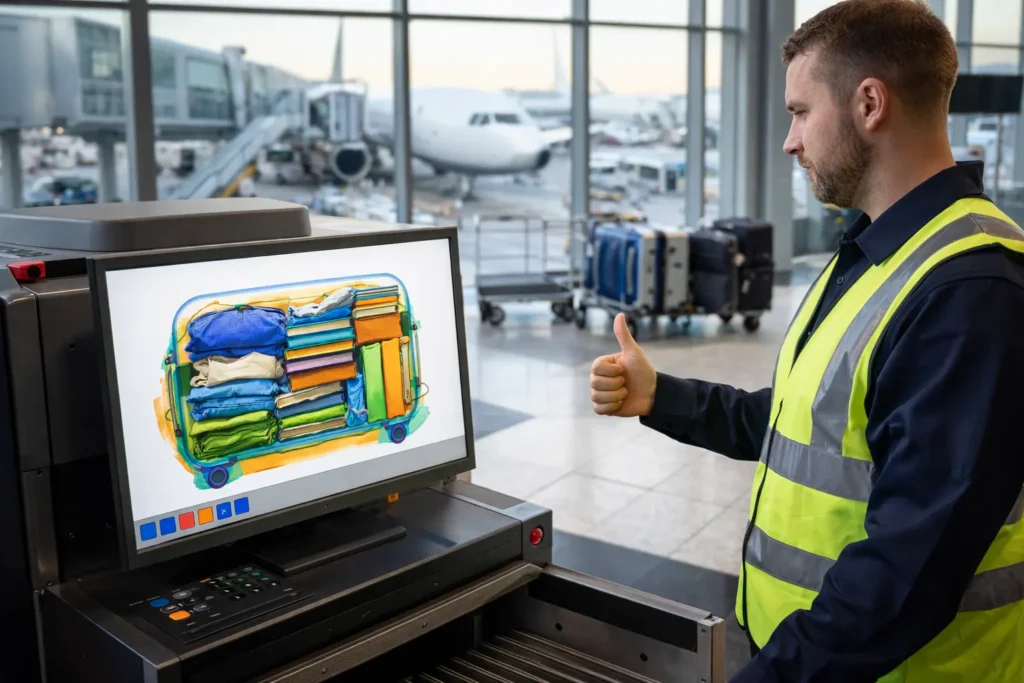
Here’s the relief you’ve been waiting for. Most personal belongings like clothing, books, and household goods ship hassle-free with minimal paperwork.
Here’s a quick breakdown on what clears customs easily.
Clothing and Household Textiles
Clean clothing and household textiles clear customs without permits. Just make sure you wash items beforehand to prevent biosecurity delays from soil or pests. Personal effects also face fewer restrictions than commercial goods.
Books, Documents, and Personal Papers
Books, personal documents, and printed materials ship internationally without special paperwork. Educational materials rarely trigger scrutiny unless containing prohibited content, so don’t worry, your library will travel smoothly.
That said, anything irreplaceable, like family photos or legal papers, deserves extra protection. Make sure to pack those items separately because they cause the most stress when lost during international freight.
Electronics and Small Appliances
Laptops, phones, and small appliances ship fine for personal use, but remove lithium batteries first. They’re classified as dangerous goods because air cargo holds reach 50°C, creating fire risks. Once you’ve sorted the batteries, you must declare electronics accurately to avoid import taxes. We’ve seen vague descriptions of items holding parcels for weeks.
Remember to pack and declare these personal effects properly, and they’ll move through customs without drama.
Prohibited Goods: What’s Banned from International Shipping
Certain items will get your shipment seized, returned, or land you in legal trouble. Carriers and customs officers refuse weapons, drugs, counterfeit goods, and endangered species products outright.
Here’s what you CANNOT ship internationally.
Weapons and Ammunition
- Firearms and Blades: International freight services ban guns, rifles, certain knives, and ammunition.
- Replicas and Antiques: Customs officers seize these without documentation (customs doesn’t care if it’s a family heirloom).
Permits exist, but it takes months and costs more than most weapons are worth.
Illegal Drugs and Counterfeit Items
- Narcotics and Medications: Prescription drugs need proper documentation, or customs prohibit them completely.
- Counterfeit Goods: Fake designer items and pirated media violate laws lead to confiscation.
- Herbal Supplements: Believe it or not, even these face bans if containing restricted ingredients. What’s legal in Australian shops might be illegal overseas.
What counts as a legal supplement in one country can be a prohibited substance in another.
Endangered Species Products
- Protected Materials: Ivory, tortoiseshell, furs, and certain animals fall under international wildlife treaties.
- Penalties: Customs officers impose serious fines for shipping these materials.
Antique status won’t help without permits proving items predate restrictions.
Ship these prohibited goods, and you risk confiscation, fines, and criminal charges in both countries.
How Do Restricted Goods Subject to Permits Work?
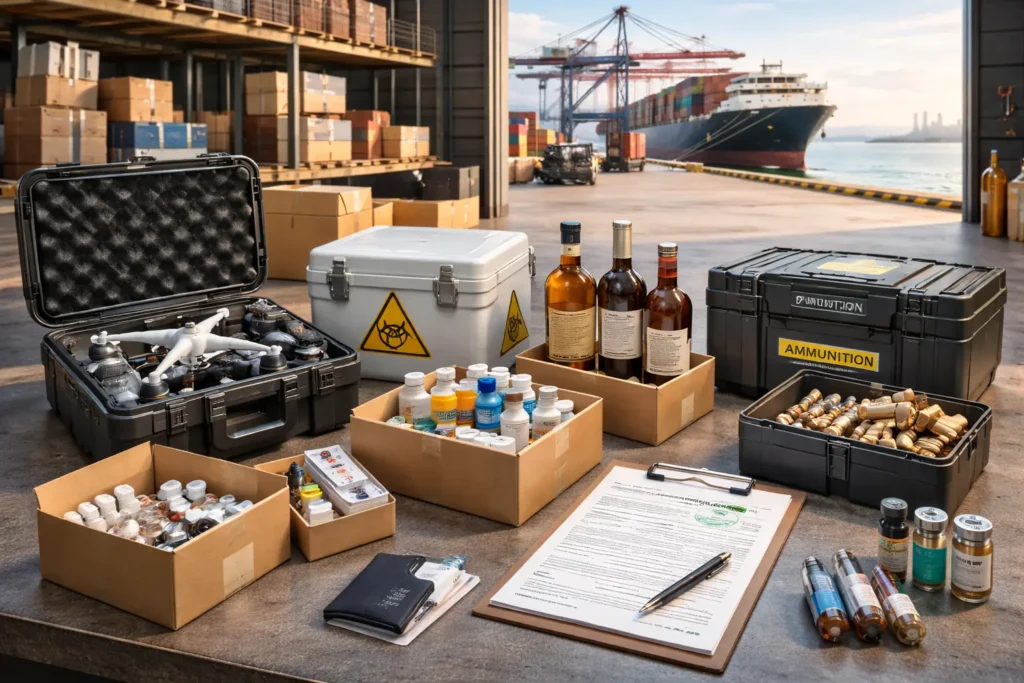
Restricted goods require permits or certificates before carriers accept them, but you can ship them with the right paperwork. And unlike prohibited items, these don’t face outright bans.
Plants, seeds, and food products need phytosanitary certificates to prove they’re disease-free. To issue these certificates, government-approved inspectors examine your goods before international shipping.
Drawing from our experience, the permit process takes 4-8 weeks minimum. What’s more, fees range from $130 to $500, depending on the item and destination country.
Some restricted goods also require import licences from the receiving country before Australia Post or freight carriers handle them. This paperwork can delay your shipment by a month, so start early. This way, you can save yourself from customs delays and rejected parcels at delivery.
Alcoholic Beverages and Perishable Items
Thinking about packing grandma’s chutney or your wine collection? Unfortunately, those bottles and jars probably won’t make it intact.
Alcoholic beverages involve complex tax laws and carrier policies by the destination country. Australia Post and most freight carriers refuse alcohol shipments without extensive licensing (and yes, carriers have heard every creative excuse for shipping wine).
Even if you get approval, the paperwork takes weeks, and duties can double the cost. Most people find that it’s not worth the hassle.
Perishable items like meat, dairy, and produce face the same outcome. International shipping routes take 4-8 weeks by sea, and these perishable goods rarely survive. Even air freight takes days with temperature swings, spoiling items before delivery.
Beyond food and alcoholic beverages, other items pose safety risks that make them just as difficult to ship.
What Dangerous Goods Cannot Go on Australia Post or Freight Services?
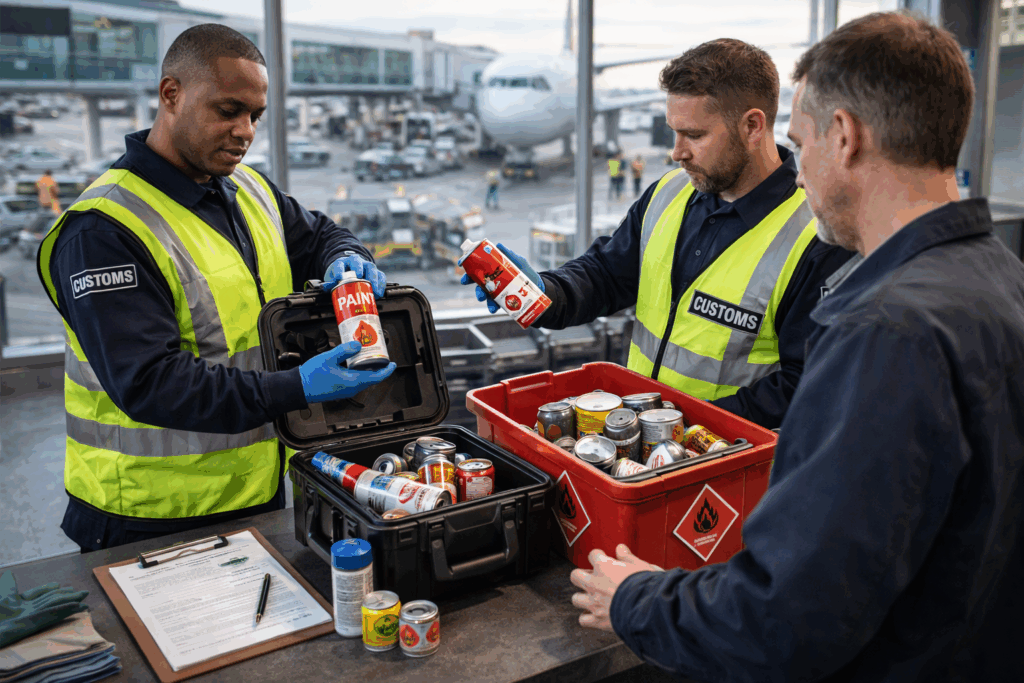
Safety regulations ban anything that could ignite, explode, or leak during transport. Knowing what’s banned saves your shipment from rejection.
Flammable liquids like paint, nail polish, and aerosols pose fire risks during air freight. Lithium batteries pose even more serious risks because regulations classify them as dangerous goods over certain limits. Frankly, most people don’t realise these overheat in cargo holds (air cargo holds reach 50°C), creating fire hazards.
International freight routes prohibit compressed gases and corrosives. These damaged shipments and risk workers are why Australia Post refuses them.
Once you’ve sorted what’s safe to ship, accurate paperwork becomes your next hurdle for customs clearance.
Customs Forms and Your Shipping Options
Once you’ve sorted your items, customs paperwork determines whether it gets through. Every international shipment needs forms listing contents, values, and purpose in detail.
Accurate descriptions help customs clearance officers assess duties and meet import requirements. When filling out forms, be specific. List “Samsung smartphone, value $1,200” instead of “electronics” or “personal items“.
Our team has handled thousands of international shipments, and they say that vague descriptions cause more delays than any other customs paperwork mistake.
For instance, one family listed belongings as “household goods,” which triggered a full inspection. You’ll be shocked to hear that customs officers held that shipment for two weeks, demanding inventories and proof of ownership.
Incomplete forms create similar problems. Carriers refuse shipments without proper documentation, leaving your parcel stuck at the warehouse. So make sure to complete customs forms accurately and choose shipping options carefully to avoid holdups.
Time to Pack and Ship With Confidence
Shipping personal belongings overseas comes with strict rules around prohibited items, dangerous goods, and required documentation. Getting it wrong means rejected shipments, hefty fines, or weeks of customs delays. That’s where professional freight services come in to handle these regulations for you.
We’ve covered what you can ship hassle-free, which items are completely banned, and how permits work for restricted goods. Accurate customs forms tie everything together by ensuring smooth delivery through proper documentation.
Gooferman‘s team will take you through every permit, form, and compliance requirement you need to ship internationally. We handle the paperwork, classify your dangerous goods properly, and make sure everything clears customs on the first attempt. Contact us today for stress-free overseas shipping.