
Global shipping networks prevent delays and loss by connecting carriers, ports, and customs under one coordinated system. Without this structure, your shipment passes through disconnected services with no shared tracking or accountability.
This is why international shipping often feels unpredictable. You usually only see the pickup at the start and the delivery at the end. In between, cargo changes hands several times as it moves between carriers, ports, and terminals. These handover points are where most delays and losses actually happen, not while your items are moving.
We understand how this process can make overseas shipping and moving high-value items feel stressful. So, in this article, we’ll explain how global shipping networks work and how international movers can reduce risks through their supply chain partnerships.
First, we’ll share how shipping networks protect cargo and improve reliability.
How a Global Shipping Network Reduces Delays, Loss, and Blind Spots
A global shipping network reduces delays and losses by coordinating carriers, ports, and customs agents under one system. You get visibility at every stage, plus fallback options when problems arise. Let’s break down how each part of the network works to protect your shipment.

What Is a Global Shipping Network?
A global shipping network is a coordinated system of carriers, ports, customs agents, and inland logistics providers. All these partners share information with each other, so your cargo moves smoothly without gaps between stages.
The whole point of this setup is to reduce risk rather than simply moving freight from one country to another. Because everyone involved can see what is happening at each stage, they spot problems early and fix them faster.
Why Single-Carrier Shipping Fails
Single-carrier shipping fails because there’s no backup when something goes wrong. If your carrier hits a delay at the port, your shipment just sits there waiting with no alternative route.
Communication also falls apart across countries when you rely on one provider. No one will take full responsibility for the handover between stages. And you’ll end up chasing updates from multiple contacts who don’t talk to each other (which gets frustrating fast).
The other issue is that single carriers often lack relationships with local agents in certain regions. So if your cargo arrives somewhere unfamiliar, there’ll be no trusted partner on the ground to make sure it reaches its destination on time.
How Network Strength Leads to Fewer Delays
Basically, multiple partners sharing responsibility means fewer delays. So when one part of the chain slows down due to customs checks, weather, or port congestion, another partner will step in to keep things moving.
Freight forwarders prepare customs paperwork in advance as well, so your cargo doesn’t sit at the border waiting for approval. This coordination between freight forwarders and customs agents can save you days that would otherwise be lost to admin backlogs.
And if a port shuts down or gets congested, regional fallback plans will let your shipment reroute quickly. This way, you don’t have to wait for one location to clear. Priority lanes and long-term carrier partnerships also help your freight move past busy transit hubs without delays.
Visibility and Control Across the Supply Chain
Good visibility comes from integrated tracking across all network partners. This means you don’t have to chase updates from different companies. Instead, you see one clear view of your shipment’s location at any time.
This continuous tracking reduces confusion and makes your delivery times more predictable. You’ll know when to expect your cargo, so you can arrange final delivery or storage without guessing.
Our team has found that this kind of control across the supply chain reduces surprises. And when issues do come up, you can respond faster because you already know exactly where the problem happened.
Why International Movers and Overseas Freight Services Improve Reliability
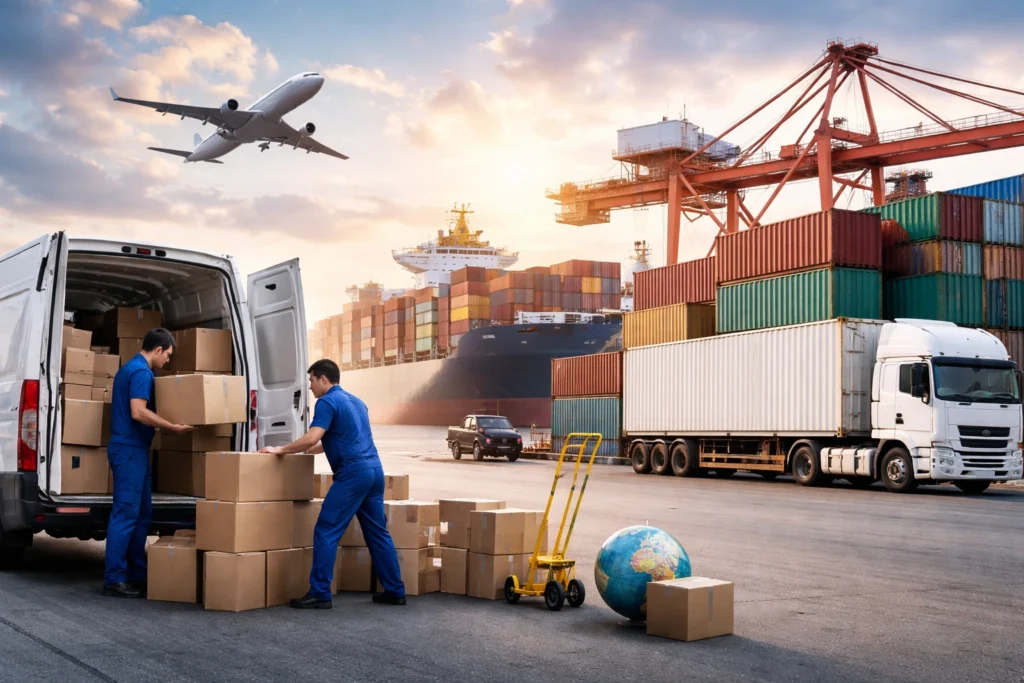
International movers and overseas freight services improve reliability by managing your shipment from start to finish. They coordinate carriers, handle customs, and solve problems before they delay your cargo.
Here’s what to look for and how these services help different types of shipments.
International Movers: Your One Point of Contact
International movers act as your single point of contact for the entire journey. Instead of coordinating with multiple carriers, customs agents, and delivery companies yourself, you deal with one team that manages everything on your behalf.
This setup reduces errors because one company owns the whole process. They handle pickup, packing, documentation, customs clearance, and final delivery. So, when something needs attention along the way, they catch it early and fix it before your shipment stalls.
You also benefit by spending less time chasing updates. This system prevents frustrating gaps where no one takes responsibility for the next step. Every step of the journey is monitored to make sure your cargo arrives safely.
Finally, having one point of contact makes communication much easier as well. If you have a question or concern, you know exactly who to call. There’s no bouncing between different companies trying to figure out who handles what.
Business Solutions for Complex Shipments
Your business needs shipping partners who can handle complexity without giving you headaches. A good freight provider will streamline your shipping rates and planning, so you’re not busy comparing quotes every time you send cargo overseas.
This kind of consistency helps you budget properly and avoid surprise costs. You can plan your operations around reliable timelines instead of hoping everything works out each time.
Reliable delivery also protects your reputation with customers. Late shipments, on the other hand, frustrate buyers and can cost you future orders. This is especially important in industries like ecommerce, manufacturing, and healthcare, where businesses rely on consistent delivery times.
A missed deadline in these sectors can mean serious financial loss or even safety issues if medical supplies run out or critical production components are delayed.
We’ve seen businesses save money and stress by locking in a freight partner who understands their specific needs. This way, the right provider can become part of your supply chain. Over time, this relationship will build trust. Your freight partner will learn your patterns, anticipate busy periods, and flag potential issues before they become problems.
What to Look for in Overseas Freight Services
When choosing overseas freight services, start by checking their partner networks in your destination countries. Providers with trusted local contacts in major markets, like Singapore, New Zealand, Canada, or the UK, can resolve issues faster.
These local contacts are important because they know the customs process and can move your cargo through the port faster. Without these connections, your shipment may sit for days waiting for clearance.
That’s why it’s important to choose a provider with a proven track record in long-haul, cross-border deliveries. Ask your provider questions about typical transit times, how they handle delays, and what fallback options they offer when routes are disrupted. Their experience with international freight shows in how clearly and confidently they answer these questions.
Transparent pricing is also important because it lets you know exactly what you’re paying before your shipment leaves. Hidden fees are common in shipping, so asking for a full breakdown upfront helps avoid surprises. Remember, a reliable provider will give you clear answers without dodging the details.
Equally important is responsive customer support. You want a team that answers quickly and keeps you informed throughout the shipment. If you can’t get a straight answer before you book, that’s a red flag for how they’ll treat you once they have your cargo.
Moving Overseas Without the Stress
International removals come with emotional and logistical challenges that regular freight shipments don’t. After all, you’re moving your life, your furniture, and your memories to a new home in another country.
This kind of move is stressful enough without worrying about whether your belongings will arrive safely. Reliable movers understand this and handle the process with care. They pack your belongings securely, load containers properly, and manage timelines so your items arrive when you need them.
Good movers will also guide you through the rules around certain items. Some countries, for instance, restrict what you can bring in, and getting this wrong can cause major delays at customs.
For example, shipments between Australia and New Zealand benefit from coordinated networks with regular sea routes and customs familiarity. The distance is short compared to other international moves, but there are still regulations to follow and logistics to manage.
Choose Shipping Services That Protect Your Cargo and Your Trust
So, has this helped you think differently about how you choose shipping services?
The big takeaway here is that delays and losses are rarely random. They usually happen at handover points where communication breaks down between carriers. But a strong global shipping network reduces this risk by keeping everyone coordinated from start to finish.
International movers add another layer of protection by owning the entire journey. You get one team watching over your cargo instead of hoping different companies talk to each other.
Keep in mind that the cheapest option often can cost you more in the long run. A missed delivery or damaged shipment, for example, can set you back far more than paying a bit extra for reliable service.
When you’re ready to move overseas or ship freight internationally, prioritise network strength over price alone. If you’d like help planning your next shipment, the team at Gooferman can guide you through the process.