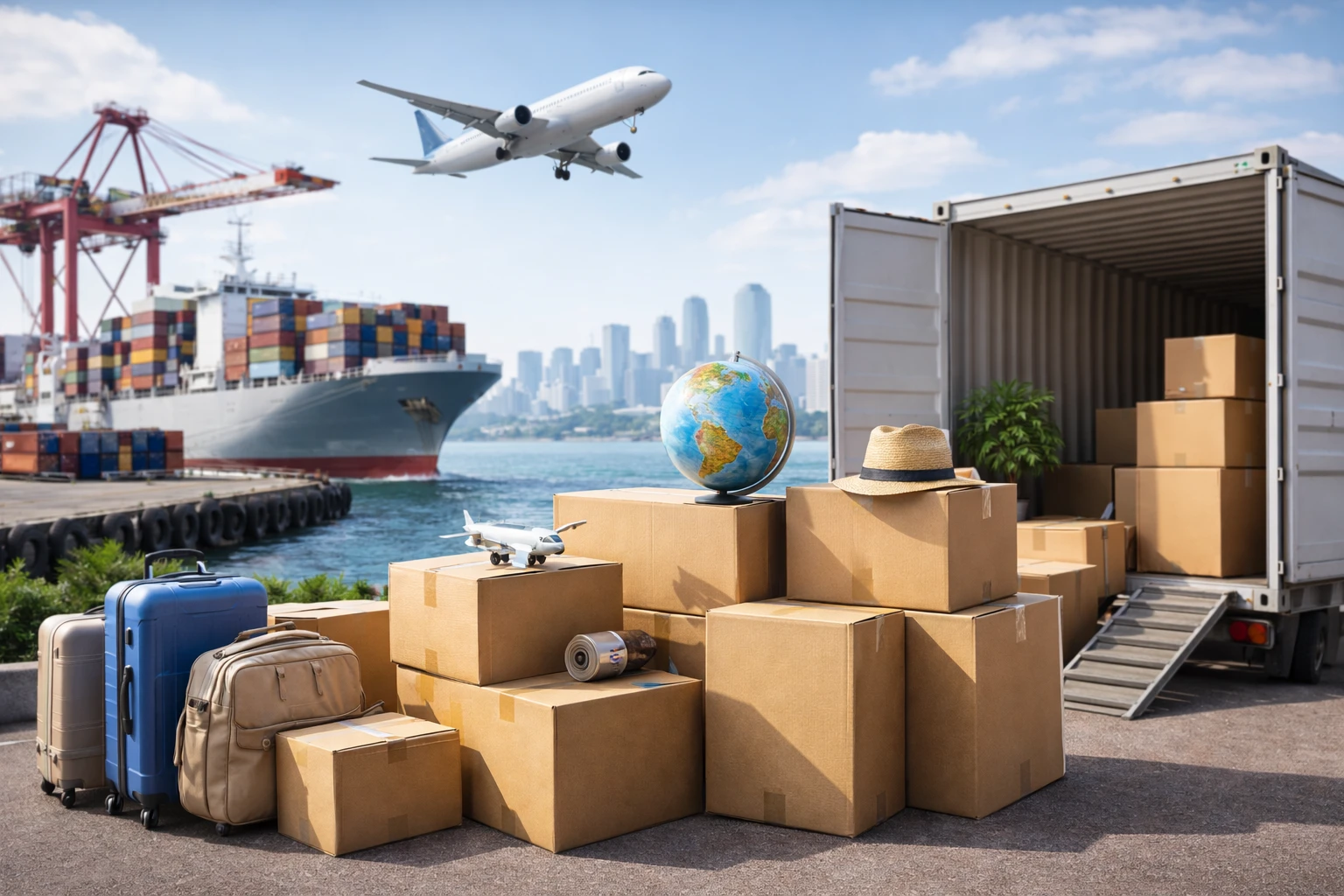
International household goods shipments usually take around 4 to 12 weeks in transit. This wide range makes shipping timelines one of the most difficult challenges for people relocating abroad.
Along with that, if you’re moving from Brisbane to London, your shipment faces different delays than someone shipping to Singapore or New York. It’s because port infrastructure, customs documentation, seasonal container shortages, and even holiday schedules can push your delivery date back by weeks.
In this article, we’ll break down the specific stages that eat up time during international relocations. You’ll see the reason customs holds up shipments for days, which months create the worst bottlenecks, and how your departure city changes everything.
Let’s find out more about air freight and sea shipping.
What Really Affects Your International Shipping Timeline?
Your international shipping timeline depends on three main things: the location you’re moving from and to, how you’re shipping your belongings, and what time of year you relocate. Understanding these factors helps you plan a more realistic moving schedule instead of getting caught off guard when your container takes longer than expected.
Take a look at the three factors that will affect your move.
Your Departure and Arrival Locations

Major Australian ports like Sydney or Melbourne process international removals faster than regional departure points. It’s because container ships visit these busy ports multiple times per week, while smaller ports might only see weekly or fortnightly sailings.
This is where location becomes important. For instance, remote international destinations add 2 to 4 weeks compared to major cities with established port infrastructure. So if you’re shipping to somewhere off the beaten track, your container might sit waiting for the next available vessel.
On the other hand, distance influences the delay less than you’d expect. Say, a shipment to nearby New Zealand can take just as long as one to the UK if the shipping routes and port schedules don’t line up right.
The Shipping Method You Choose
Sea freight takes 4 to 12 weeks but won’t drain your savings account in one go. A lot of Australian families moving overseas choose this option because it’s the only cost-effective way to ship furniture, appliances, and full household goods.
Conversely, air freight delivers in fewer days but costs 5 to 10 times more than sea shipping. This method is only viable for small, urgent shipments or when you need specific items quickly at your international destination.
Alternatively, shared container shipping (also called groupage) saves money compared to booking a full container. Your belongings share space with other people’s shipments heading to the same destination country. The trade-off is that it adds 1 to 3 weeks while the moving company consolidates enough cargo to fill the container before it ships out.
Seasonal Demand and Timing
Peak moving season runs from June to September when Australian families relocate during school holidays. At that time, container space fills up fast, and international movers get booked months ahead during these busy periods.
We recommend booking early if you’re moving in summer, or consider changing your timeline to the quieter months between October and May. That way, you’ll get better rates and faster processing.
Breaking Down the Stages of Your International Move
During your shipment, you’ll encounter some stages that you can control, and others you can’t. But knowing what happens at each step helps you understand what exactly is eating up your time.
This is what happens after you book your international removalists.
Pre-Shipment Preparation and Packing
Professional packing typically takes 1 to 2 days, depending on your home size and how many belongings you’re shipping. After that, exporting documentation and booking your shipping slot adds another 3 to 7 days minimum.
In our 12 years of moving Brisbane families overseas, we’ve learned that rushed documentation creates more delays than weather or port congestion combined.
It’s because your moving company needs time to arrange customs paperwork, create detailed inventory lists, and coordinate with international movers at your destination. Simply sorting this part right can speed up everything that follows.

Ocean and Air Transit Periods
Most people get confused about when the clock actually starts ticking. Usually, transit time starts when your container leaves the Australian port, not when removalists collect your items from your door.
Here’s how long it takes for different routes:
- Air freight reaches most international destinations within 5 to 10 days
- Sea freight from Australia to the UK takes 6 to 8 weeks
- Shipments to the USA take 4 to 6 weeks
- Routes to nearby Asian countries like Singapore or Japan take 2 to 4 weeks
Note that the ocean transit only accounts for part of your total timeline. Port handling, loading schedules, and vessel availability at both ends add extra days that catch people off guard when they’re trying to plan their arrival dates.
After your shipment arrives at the port, the customs clearance process begins.
How Long Does Customs Clearance Take?
When everything goes smoothly, customs clearance can take 2 to 7 days, but when things go wrong, you could be waiting for weeks.
Customs clearance is where most people lose time without realising why. The process involves checking your paperwork, inspecting shipments, and verifying you’re not bringing prohibited items into the destination country.
Here’s how you can reduce customs clearance time.
Documentation Requirements for Different Countries
The World Bank tracks customs efficiency across countries and shows significant variations in processing times depending on documentation quality and destination regulations. Through our practical work clearing shipments across 40 countries, detailed inventories cut processing time in half compared to generic lists.
Some destinations require original purchase receipts for electronics, jewellery, or other high-value household items. The destination country might also want proof of residence or work visas before it releases your shipment.
Getting these specific documents ready before your belongings arrive saves you from watching your stuff sit in a warehouse, racking up storage fees.
Common Holdups at Customs
This is the part that trips up almost everyone. Prohibited items like certain foods, plants, organic materials, or dangerous goods cause the longest delays at customs. In fact, the Australian Border Force maintains strict biosecurity requirements for imported household goods.
Especially, incomplete paperwork sends your shipment to the back of the queue. If customs officers spot missing information or unclear descriptions on your inventory, they’ll set your container aside until you fix it.
These random inspections can add 5 to 10 days, even when everything is perfectly documented, and you’ve followed all the rules.
Seasonal Changes That Impact International Removals
Shipping costs can jump 30 to 40% during peak season, and your timeline stretches even longer. It’s because international removals companies deal with massive demand swings throughout the year.
Take a look at how timing your international relocation around these busy periods can save you weeks of waiting and a fair bit of money, too.
Peak Moving Season Delays (July-September)
Summer holidays are the busiest time for international moves with families relocating. At that time, kids are out of school, work contracts start in September, and the weather cooperates for packing and loading.
When everyone wants to move at the same time, container space gets scarce, and ports get congested. On top of that, International movers and international removalists get booked up months in advance.
Pro Tip: Book 2 to 3 months ahead if you’re moving overseas between June and September. Leaving it until the last minute means you might not get a container slot until October or November.

Holiday Period Slowdowns
Christmas and New Year can shut down ports and customs offices for days at a time, because dock workers, customs officers, and delivery teams all take time off.
Similarly, the Chinese New Year in January and February slows Asian shipping routes for 2 to 3 weeks. This one catches even seasoned international movers by surprise. So if your shipment needs to pass through Asian ports or you’re relocating to countries like Singapore, Hong Kong, or mainland China, factor this delay into your timeline.
Pro Tip: Plan around major holidays in both your departure country and destination. Check the local holiday calendars before you book your moving services to avoid getting stuck in a complete standstill.
Weather-Related Shipping Disruptions
A lot of the time, tropical storms and hurricanes delay ocean freight during the monsoon season from June to November. When that happens, ships reroute around dangerous weather, ports close temporarily, and loading operations pause until conditions improve. These disruptions add unpredictable days to your sea freight timeline.
Severe weather rarely cancels shipments outright, but it does add delays to your plans when you’re trying to coordinate your arrival with your belongings. Especially because port congestion gets worse when multiple ships arrive at once after the weather clears.
Plan Your International Relocation Timeline Wisely
International shipping timelines depend on many things, like port infrastructure, customs documentation, seasonal container shortages, and shipping method choices. However, once you understand these factors, you can reduce stress with 3 to 4 months of planning time before your ideal moving date.
Most people underestimate how long international removals take and end up scrambling to clean up the mess. That’s why working with experienced international removalists who communicate realistic timelines from day one can give you peace of mind throughout the entire process.
At Gooferman, we’ve guided thousands of Australian families through overseas moves with honest timeline expectations. Our expert team maps out every stage so you know when your belongings will reach your door at your international destination. Visit us today, and we’ll create a proper shipping timeline based on your specific relocation needs.