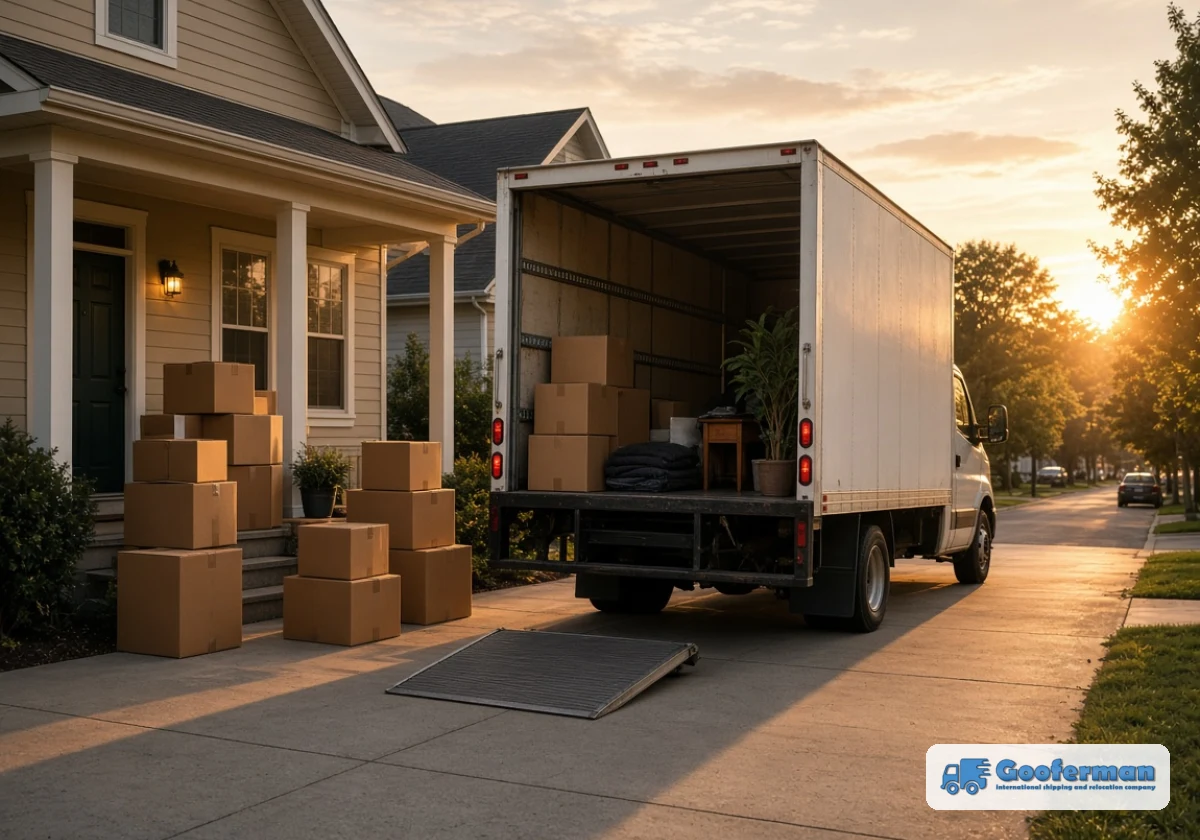
Your moving company access requirements affect your overseas moving costs. For international moving, difficult access often means extra crew time. Limited street parking can also mean extra vehicles and handling fees.
Gooferman‘s moving plans account for each property’s access conditions, so the crew knows what to expect. A third-floor walk-up, for instance, needs a different loading plan from a ground-floor apartment with direct street access.
To help you prepare, this guide explains how access, building rules and parking permits affect your quote. It also covers handling bulky furniture and preparing for your removalist. Let’s begin.
What Moving Companies Check Before an Overseas Move

Moving companies assess the route between your furniture and the truck, including obstacles that affect loading. They factor labour time and equipment into your quote. Long carries, stairs, and tight spaces all add loading time.
The assessment covers four parts of the route.
Carry Distance: How Far Your Items Travel
Carry distance is the walk between your front door and the truck’s rear doors. A short carry lets two movers clear a room in quick, steady trips.
A long driveway or a building set back from the street adds time to every trip. Those extra minutes accumulate across every box and piece of furniture you’re shipping.
Measure the distance before you request a quote and give your removalist a rough figure in metres. A vague “it’s a bit of a walk” leaves too much room for guesswork (and guesses rarely land in your favour on the bill).
Lifts, Stairs and the Floor You Live On
Every flight of stairs turns a trip to the truck into a climb with a heavy load. In a walk-up building, the crew repeats that climb for every box, chair and mattress, so each floor adds labour time to your quote.
Lift access brings its own challenges. Some lifts are too small for a sofa or tall wardrobe. Even when furniture fits, frequent stops at other floors can delay loading.
That’s why you should measure the lift car’s depth and door opening ahead of time. You can also ask building management if you can reserve the lift and hang protective padding inside.
Doorway and Hallway Width Along the Route Out
Doorways and hallways determine how much furniture can pass through without dismantling. Even a dining table that clears every doorway can get stuck at a tight corner or narrow corridor.
In practice, crews then remove doors, take off furniture legs or dismantle beds and tables. These extra steps increase labour time, and some pieces need reassembly at your destination.
To avoid last-minute adjustments, measure each doorway and the tightest turn along your route out. Compare those measurements with your largest furniture pieces and flag any tight spots. Your removalist can then include any dismantling costs in the quote.
Street Access: Room for a Shipping Container Truck
The final check is the street itself. Container trucks are long, tall, and heavy, so they need a wide street, clear overhead space, and firm ground beside your building.
However, low branches, power lines or a narrow lane can prevent the truck from reaching your door. In these cases, removalists use a smaller shuttle truck to transfer your belongings to the container elsewhere.
When our team plans door-to-door shipping, we check the street layout first because a container can’t fit down every lane. Include street clearance in your moving plan. Walk your street and note low branches or tight turns before you book.
Apartment Moving Restrictions: Building Rules That Affect Your Quote
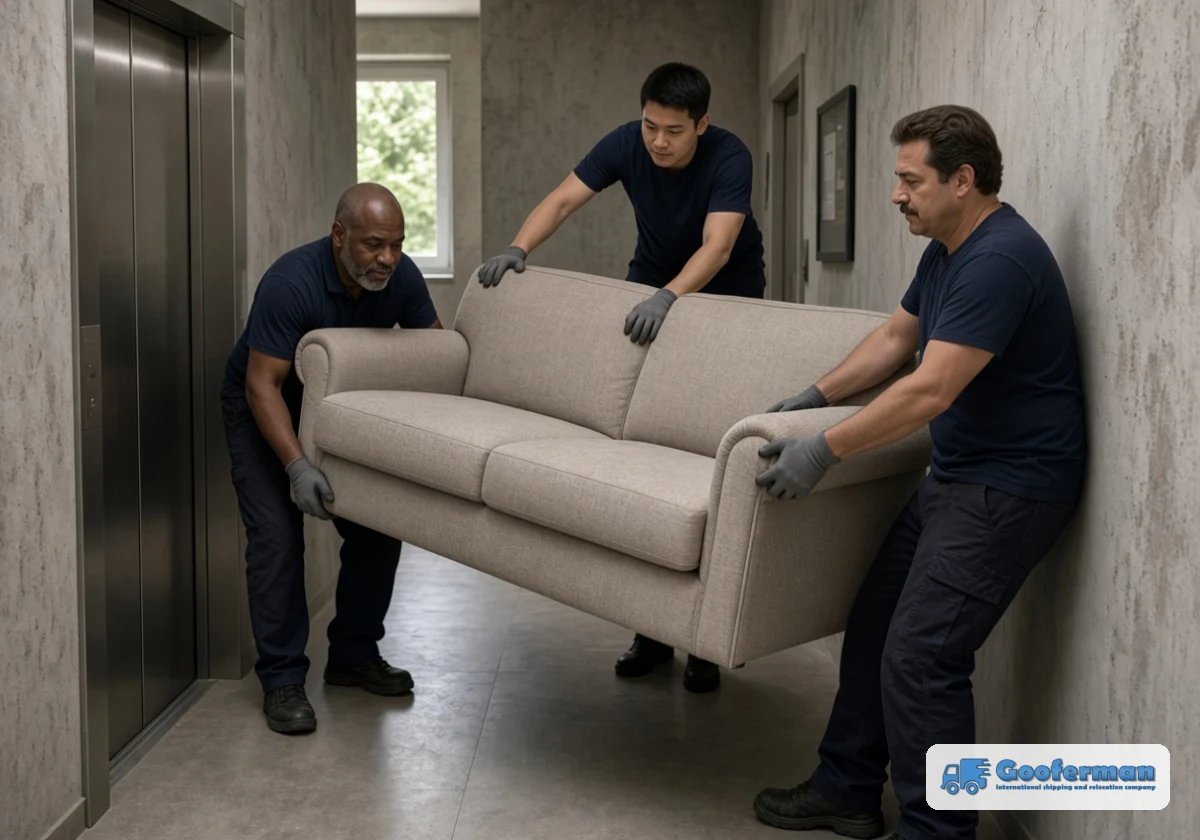
With the route out of your unit measured, the next set of limits comes from your building itself. In strata buildings, the owners corporation manages shared areas and sets apartment moving restrictions.
Building rules differ between states. If you live in Victoria, Consumer Affairs Victoria’s guidance on owners corporation rules covers furniture moves. It explains why buildings may restrict bulky or fragile items without permission.
Your building’s rules on moving hours, lifts and bonds make up its moving requirements. For instance, short lift windows call for a bigger crew, while a common property bond adds an upfront cost.
In our experience with apartment moves, building managers are more receptive when you raise these questions weeks ahead of your move date.
If you’re living in a strata building, have a look at these rules first:
- Moving Hours: Confirm when the crew can start and when all work must finish. Some buildings allow moves only during set hours. Share the approved time window with your removalist.
- Lift Access: Find out how to reserve the lift and collect any access keys. Check if management requires protective padding inside. Your removalist will need these details before they start working.
- Furniture Approval: Bulky sofas and fragile items may need written approval before the move. Check with management which pieces require permission and keep a copy of the approval for the day you move. A printed copy of the approval saves arguments on the day.
- Bonds and Fees: Ask management how much the bond or fee will be and when you need to pay it. Use this information to budget for the extra cost on moving day. If you know the amount early, you’ll be able to budget for it alongside your quote.
- Loading Areas: Some buildings restrict truck access to shared driveways and loading docks. For this reason, check the permitted hours and access rules before arranging your move.
Share all these details with your removalist so the quote accounts for your building’s time limits and access rules. Even a missed lift booking can leave the crew waiting and add unnecessary labour costs.
A Removalist Parking Permit Saves on Shuttle Costs
Once the building has signed off, the next hurdle is street access. A removalist parking permit reserves kerbside space outside your building for a set period, so the moving truck can park near your entrance.
Below, we’ve compared the three ways a crew can reach your kerb.
| Option | What Happens on the Day | Effect on Your Quote |
|---|---|---|
| Parking permit | Truck parks at your entrance in a reserved space | Permit fee only, with the shortest carry |
| No permit | Crew parks wherever space appears, often down the street | Longer carry adds labour hours |
| Shuttle truck | Small truck ferries loads to the container parked elsewhere | Extra vehicle, extra crew and double handling |
Your local council sets the rules for parking permits, so check its requirements and confirm the truck’s size and parking space. Hunter’s Hill Council in NSW, for example, allows residents to seek approval to place a truck on a road.
Processing times differ between councils, so apply as soon as you’ve confirmed your moving date. When you lodge the application, ask the council how long approval usually takes.
Moving Furniture Through Narrow Spaces Without Paying for Damage or Storage
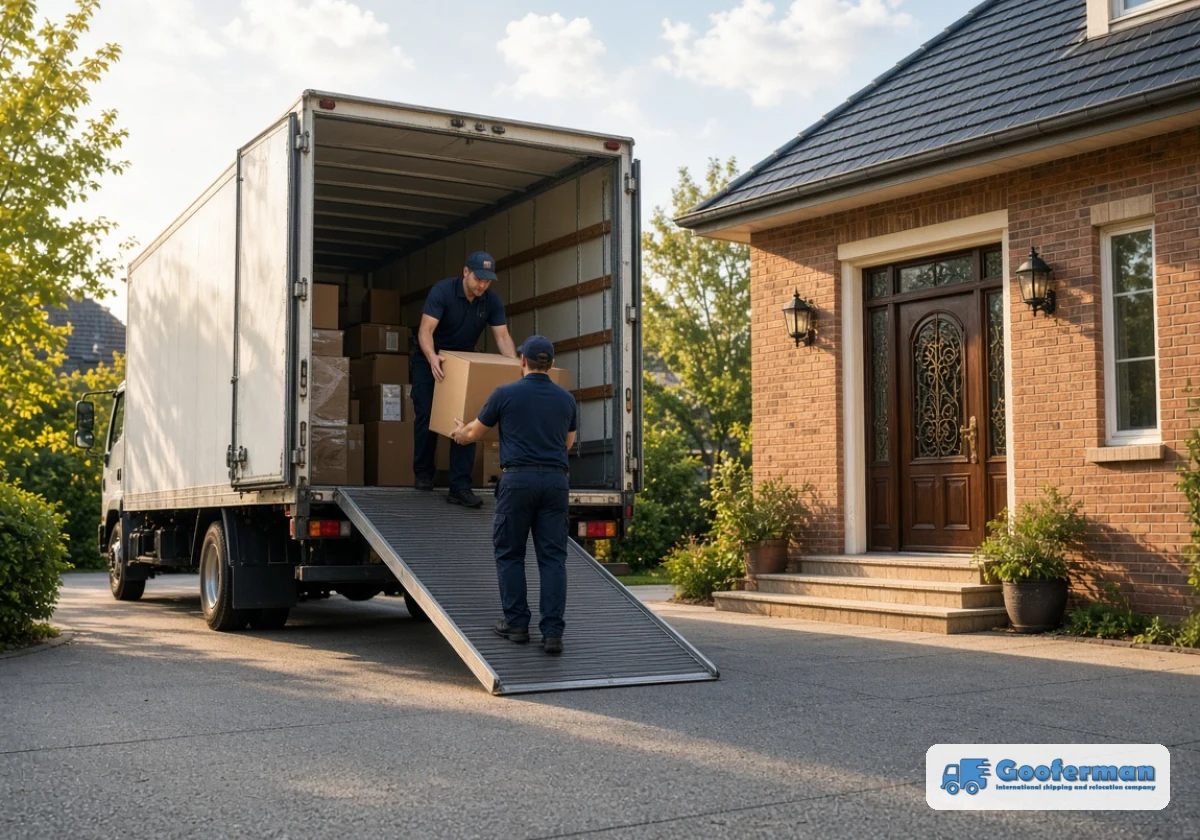
Even with the truck at your entrance, the sofa still has to get out the door. Sofas, beds and other bulky pieces need careful handling when they pass through tight spaces. Narrow doorways and sharp corners increase the risk of knocks and scratches.
These three methods help protect your furniture and avoid extra costs.
- Clear the Route: Remove rugs, plants, side tables and other obstacles along the moving path. Keep doors fully open and give the crew enough room to turn large pieces. This makes it easier to move furniture through narrow hallways.
- Use the Right Carrying Technique: Large furniture needs careful tilting and turning through tight corners. Ask whether your removalist uses straps, sliders or furniture blankets for bulky pieces. A crew with the right gear can move heavy items without scraping walls or floors.
- Keep Furniture Parts Organised: Dismantled furniture leaves you with screws, bolts and brackets that are easy to lose. Bag each set and label it with the item’s name. Photos taken before dismantling give you a reference during reassembly.
Tell your removalist about oversized pieces when you request a quote. That early notice gives them time to bring the right tools or book a hoist, and helps you avoid damage claims and storage fees.
Tell Your Removalist About Access Before You Ask for a Quote
By now, you’ve seen how apartment access affects the cost of an overseas move. Carry distance, lifts, building rules and parking all influence the crew time and equipment your removalist needs.
Use the advice in this guide to prepare a moving checklist before booking. Share these details with your removalist so they can plan the crew and equipment your move requires.
For help with your move, Gooferman plans international moves and door-to-door shipping for families relocating from Australia. Contact us to share your access details and get a quote built around your building.