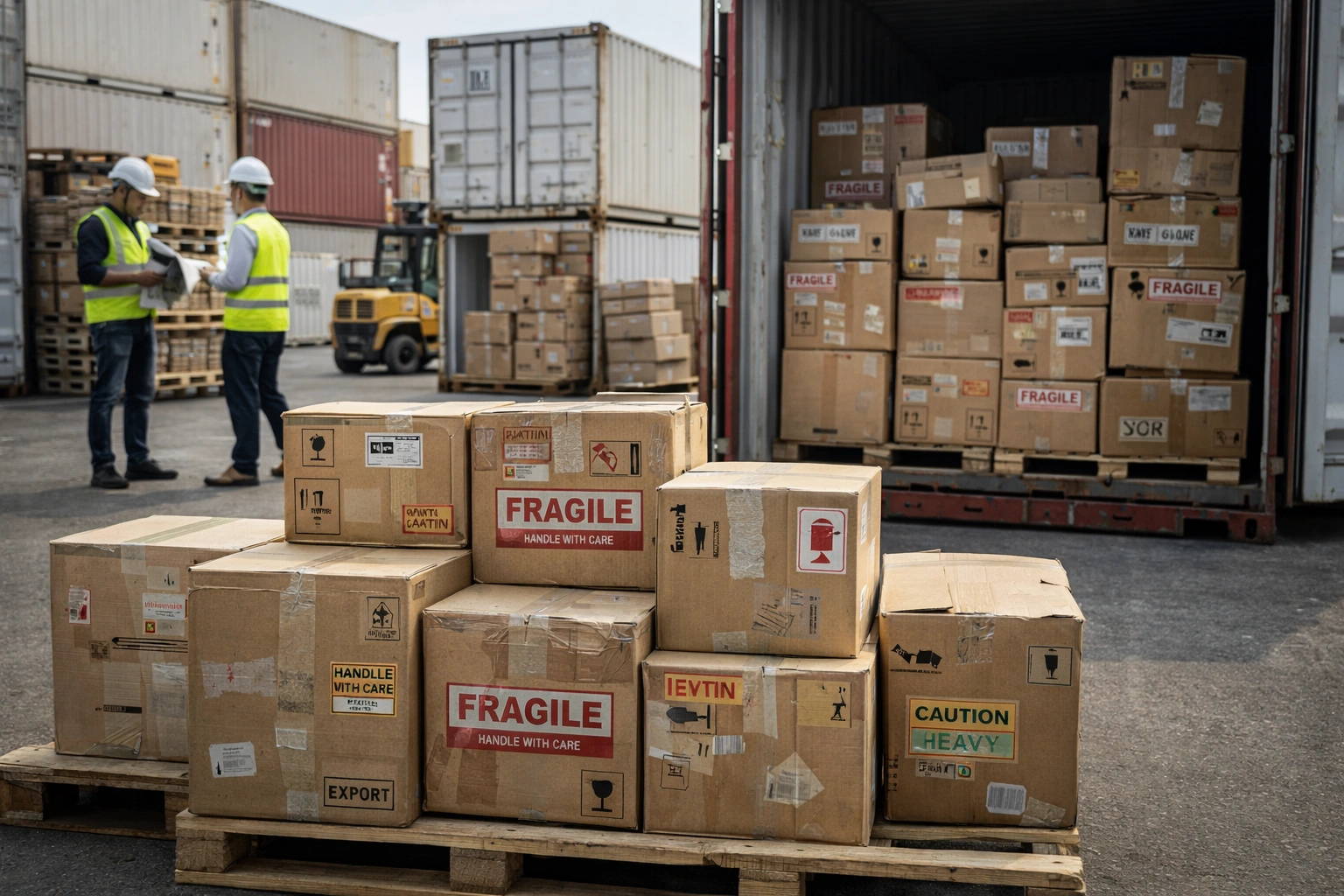
Shipping personal belongings across a border comes down to three jobs: sorting what goes, checking customs rules, and packing it nicely. Each choice is a working factor in what your move costs and how fast it clears the other side.
A common mistake is that most people underestimate the paperwork. One missing form can hold a parcel at the port for three weeks. Gooferman sees this happen to first-time movers leaving Melbourne every season.
So, if you’re not sure where to start with international shipping, keep reading this blog. We’ll show you how to sort, pack, prepare customs papers, and choose between Australia Post, couriers, and door-to-door service. The process gets much easier once you decide early what will ship internationally and what stays behind.
Let’s get into it.
International Shipping Starts With Smart Sorting and Packing
Size and weight limits catch people out late, usually at the depot counter. When you start sorting early, you give yourself time to weigh each box, measure the furniture, and remove any prohibited items your destination bans outright.

To make the most of that time, work through these three stages before you book anything.
1. Shipping Personal Belongings: What to Take, Sell, or Store
If you’ve ever taped boxes at midnight before a flight, you know how fast the maybe pile grows (that pile never shrinks on its own).
So, start by splitting everything into three groups: ship, sell, and store. Anything you can replace for under $100 at the other end rarely earns its freight.
That rule plays out in practice. Customers often ship whole wardrobes overseas, then pay more than the clothes were worth. Books, tools, and kitchen gear add weight quickly, and weight drives most international shipping costs.
2. Packing Fragile and Valuable Items Correctly
Wrap fragile goods one piece at a time. Pack them with five centimetres of padding on every side, and double box anything made of glass or ceramic.
After that, write the contents and an inventory number on each box, then check that the shipping label matches before it leaves your hands. Handlers move thousands of boxes a day, so clear marking keeps yours upright.
Remember that jewellery, laptops, and passports belong in your carry-on bag, not the shipment (insurance rarely covers high-value goods inside an international parcel).
3. Checking Weight and Size Limits Before You Book
Australia Post caps international parcels at 20 kg, whereas couriers handle heavier freight and charge by volumetric weight instead.
Along with the weight limit, volumetric weight is worth understanding, as it measures the space a box occupies. When an item is light but bulky, for example, a lamp, it can cost more to send than a dense toolbox of the same size.
Once you know your item’s dimensions and weight, measure and weigh everything at home before approaching any international carrier for a quote. When a resize happens at the depot, it adds fees and pushes your delivery date back. With that in mind, international post suits small and light loads, while couriers suit the rest.
What Documents Do You Need for Customs Clearance?
You need a passport copy, a detailed inventory list, and a completed declaration form. Border officers work fast when the paperwork matches what sits inside the boxes.
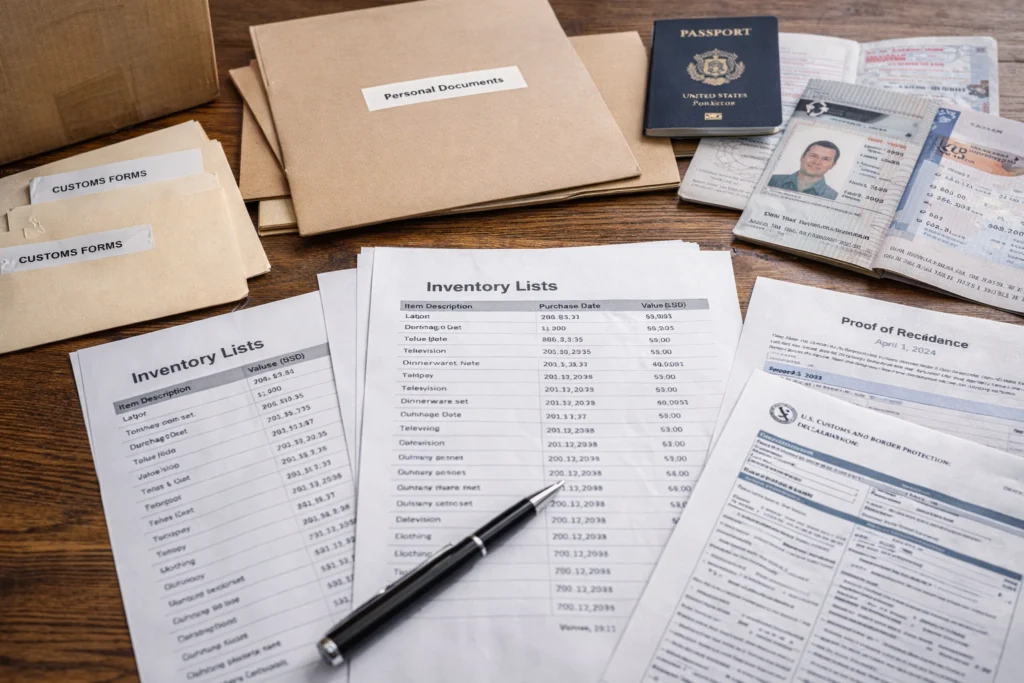
Plenty of shipping guides skip this part. These four documents cover nearly every destination:
- Passport and identification: Scan the photo page and keep printed and digital copies on you. Some countries also want a visa or residency permit before they release personal effects.
- Itemised inventory list: Give every item a description, a quantity, and a rough value in Australian dollars. Vague entries like “household goods” invite inspections that add five business days.
- Customs declaration form: Each country sets its own rules, so download the form for where you’re heading. Worth noting that most couriers generate it during booking for international shipments.
- Insurance documents: Receipts and valuations support any claim for damage or loss, and cover caps out at a token rate per kilogram without them.
Keep every document in one folder, and check your carrier’s privacy policy before you upload passport scans anywhere. Honestly, that simple habit prevents most border delays.
Choosing the Right Shipping Service When Moving Abroad
With the paperwork sorted, one question is left: who carries your boxes? Choosing well can save hundreds of dollars and weeks of waiting, because the gap between the cheapest and the fastest option often runs to three weeks on the same load.
Now, we’ll compare the following routes against your budget and your moving date.
Postal Services Versus Door-to-Door Movers
Postal services hand your parcel to the destination country’s post office. From there, you either collect it yourself or wait for a local run.
Door-to-door movers keep one company on the hook from pickup to your new address. That difference counts most when something goes wrong, because one operator owns the whole chain instead of passing blame along it.
So, your job is to ask who signs for the final international delivery. On a recent Melbourne to London move, our team found door-to-door cost about 20% more and still saved nine days.
How International Movers Handle Bulky Furniture
International movers blanket-wrap furniture, then load it into a shared container with other goods heading the same way.
You pay for the cubic metres you use, which makes sea freight the cheaper choice for wardrobes, sofas, and dining tables. In general, sea freight to Europe takes six to ten weeks, so send the big pieces early and live light for a while.
Air freight works well for that waiting period, since it covers what you need in the first month, including bedding, work gear, and the children’s things.
Comparing Costs for Overseas Shipping Options
Overseas shipping prices swing on three things: total weight, delivery speed, and whether the quote covers customs handling at the far end.

Always ask what a quote leaves out. Duty, port charges, and quarantine checks often land on you weeks after the boxes arrive.
What we also suggest: collect quotes from at least three providers. The truth is, the cheapest number and the final bill are rarely the same, and we’d rather pay $80 more for a door drop than chase a box across a foreign city.
Australia Post and Couriers: Comparing Delivery Options and Costs
Now that the options are clear, compare providers before you book. Prices shift by destination, though the pattern below holds for most freight leaving Australia.
Scan the table, then match a provider to your timeline rather than your wishlist.
| Provider | Cost | Average delivery time | Tracking |
|---|---|---|---|
| Australia Post | Lowest | 6 to 15 business days | Basic scans at each handover |
| DHL | Highest | 2 to 5 days | Live tracking with delivery alerts |
| FedEx | Highest | 3 to 6 days | Live tracking plus customs updates |
| Private international courier service | Middle | 4 to 12 days | Varies with each partner network |
Distance changes these numbers. For instance, a box to New Zealand clears in days, while one bound for Canada takes weeks. International couriers quote by lane rather than by country, so check your exact route before you commit.
If your destination is missing from a provider’s site, contact us and find out what it really costs.
Get Your International Shipping Sorted Today
Good preparation decides whether your belongings arrive intact or sit in a customs warehouse. Sorting, packing, and paperwork take a weekend, and they save you weeks of delay later.
Start your inventory this week. Weigh every box before you call anyone, and book only after three quotes land in front of you. Your moving date arrives faster than you expect.
Gooferman runs door-to-door international shipping services for families and businesses moving abroad. Contact the Gooferman team for quotes and a delivery plan that fits your move.